
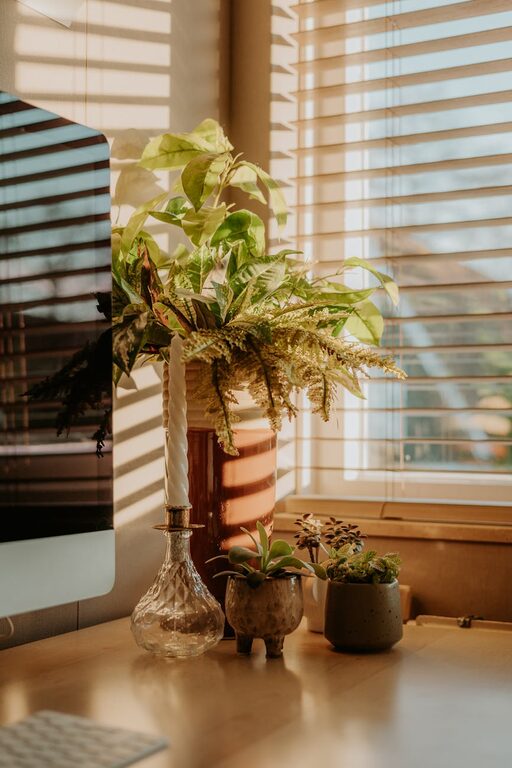
Creating a home office that is both cozy and functional is essential for anyone working remotely or managing tasks from home. A thoughtfully arranged workspace can uplift your mood, enhance focus, and increase productivity. Whether you have a dedicated room or a small nook, there are simple strategies to make your office space inviting and efficient.
Choose the Right Location
The foundation of a great home office is its location. Ideally, pick a quiet spot with minimal distractions. Natural light is a huge bonus, so try to set up near a window if possible. This not only brightens your space but also helps regulate your circadian rhythm, keeping you alert during work hours.
If space is limited, consider using room dividers or screens to separate your office area from the rest of your living space. This helps create a psychological boundary between work and leisure.
Invest in Comfortable and Supportive Furniture
Your office furniture affects both comfort and productivity. A quality ergonomic chair that supports your back is crucial, especially if you spend long hours at your desk. Similarly, choose a desk at the right height to avoid strain on your shoulders and wrists.
If adjustable furniture is an option, such as sit-stand desks, they can add variety to your posture and help reduce fatigue. Include storage solutions like shelves or drawers to keep essentials close and reduce clutter.
Personalize Your Space with Cozy Elements
Adding personal touches makes your office feel welcoming and boosts your mood. Consider soft textiles like cushions, throws, or a small rug to add warmth. Plants are another excellent addition, bringing in a bit of nature along with improved air quality.
Lighting also plays a significant role; combine overhead lights with task lamps that reduce eye strain. Warm-toned bulbs can create a soothing ambiance in the evening.
Organize Efficiently to Reduce Stress
A clutter-free workspace is easier to focus in. Use organisers such as trays, pen holders, or filing cabinets to keep papers and supplies neat. Digital organisation is important too; tidy your computer desktop and maintain backup systems.
Try to keep only what you need on your desk surface, storing everything else away. Setting up a routine, like clearing your desk at the end of each day, can keep chaos at bay.
Optimize Technology and Connectivity
Reliable technology supports productivity. Ensure your internet connection is stable and fast enough for video calls or data transfers. Position your computer monitor at eye level to prevent neck strain.
Use accessories like noise-cancelling headphones if your environment is noisy. Also, invest in a good quality keyboard and mouse that are comfortable for extended use.
Create Zones for Different Tasks
If your space allows, design separate zones within your home office for specific activities. For example, have a dedicated area for computer work and another spot for reading or brainstorming. This physical separation can help your brain switch between different types of work.
You might also include a small whiteboard or corkboard to jot down ideas and reminders, making your workspace more interactive.
Maintain Work-Life Balance with Boundaries
One of the hardest parts of working from home is separating professional and personal life. Set clear office hours and stick to them. When your work time ends, physically leave or shut down your office area if possible.
Try not to eat meals or relax in your office to keep associations strong. Using a door or curtain to close off your workspace can reinforce these boundaries.
Keep Your Workspace Fresh and Inspiring
Finally, periodically refresh your home office to keep it inspiring. Rotate décor pieces, change your plant arrangements, or update artwork. This keeps your environment dynamic and helps prevent stagnation.
Listening to music or ambient sounds can also enhance your productivity and comfort during work hours.
—
Designing a cozy and functional home office is a rewarding project that pays off in increased wellbeing and efficiency. By choosing the right location, furniture, and accessories, organising effectively, and setting boundaries, you can create a space that supports both your professional and personal needs.